How a Solar EPC Company Turns Empty Land into a Revenue-Generating Power Plant
9-10 min read
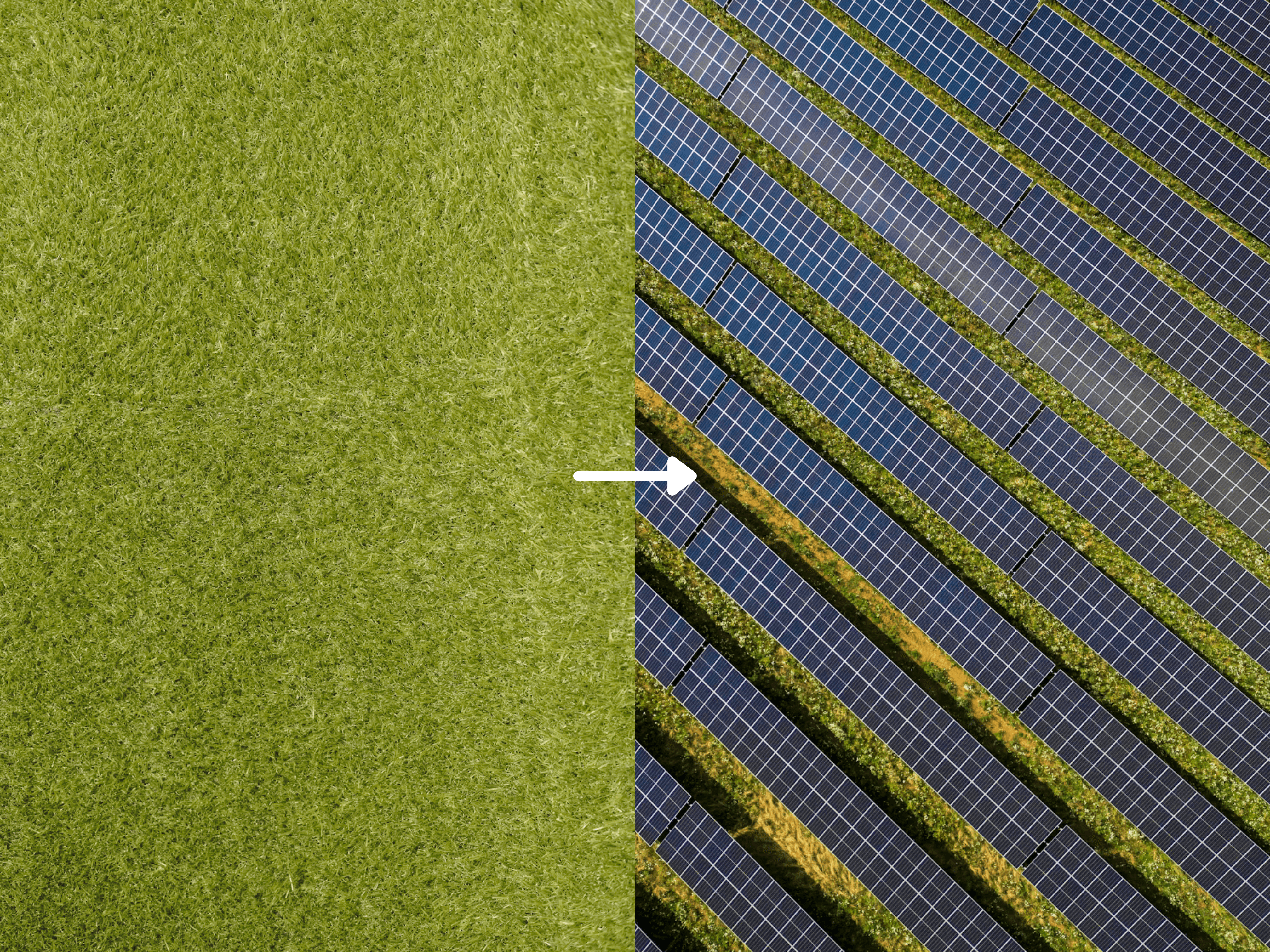
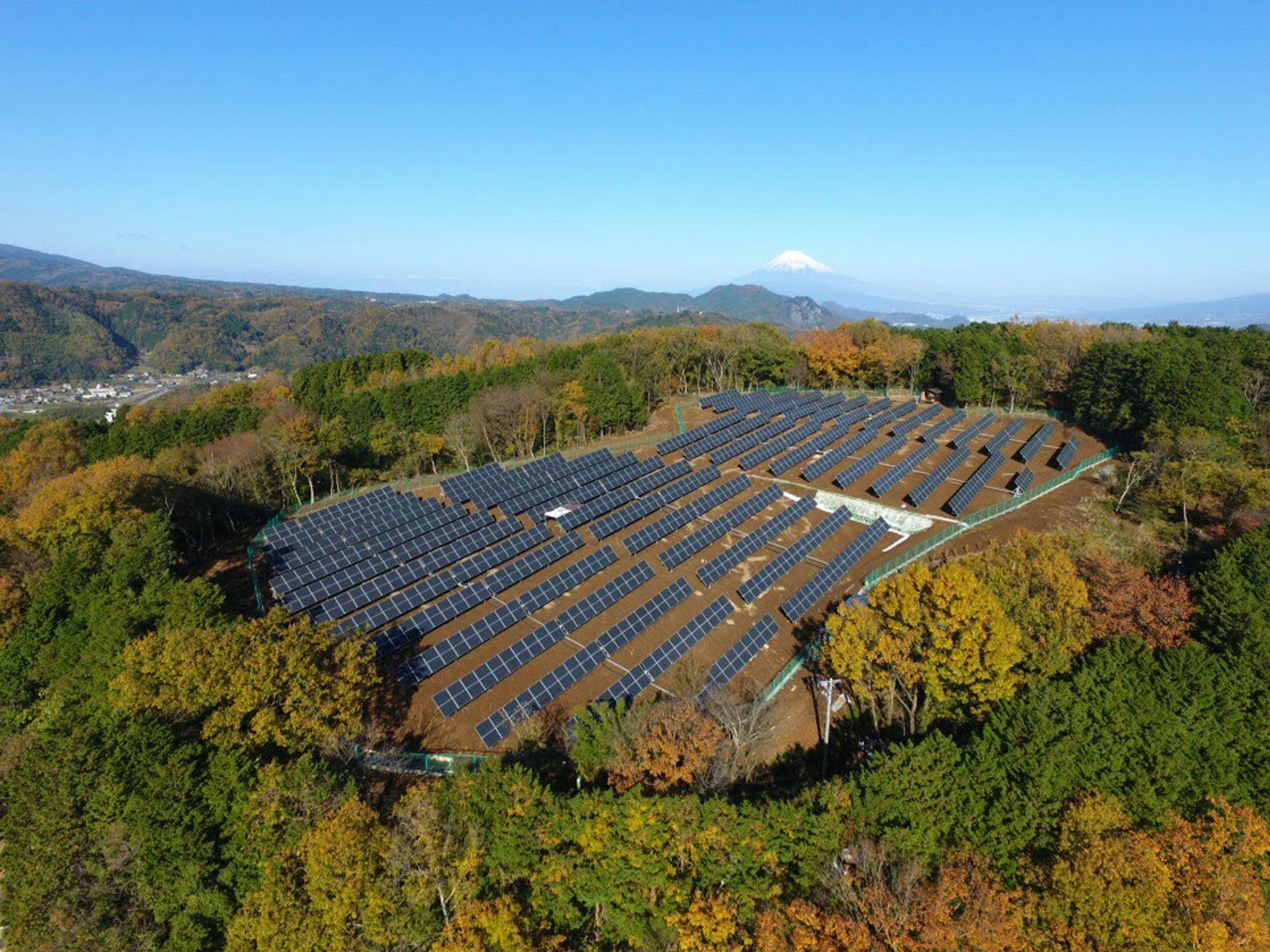
Empty land is often seen as an unused asset. It may be lying vacant, waiting for the right business opportunity, or generating very little income. But with the right planning, technical expertise, and execution, that same land can be transformed into a solar power plant that generates clean electricity and long-term financial value.
This is where a professional Solar EPC company plays an important role.
EPC stands for Engineering, Procurement, and Construction. In simple terms, a solar EPC company takes responsibility for designing, sourcing, and building the solar power plant from start to finish.
At JNJ Energies, we help landowners, businesses, industries, and investors convert suitable land into efficient solar power plants through proper site assessment, technical planning, quality execution, and long-term support.
Why Empty Land Can Be Valuable for Solar
Solar energy needs sunlight, space, and proper design. If a land parcel has good sunlight exposure, suitable access, and the possibility of grid connectivity, it can become a strong location for a solar power project.
A ground-mounted solar plant can help generate electricity for:
Captive business consumption
Industrial or commercial use
Sale of power through approved arrangements
Long-term Power Purchase Agreement models
Government scheme-based projects, where applicable
For landowners and businesses, solar can turn unused land into a productive energy asset.
Instead of the land remaining idle, it can contribute to power generation, cost savings, and sustainable growth.
Step 1: Understanding the Client’s Requirement
Every solar project starts with a clear conversation.
The first step is to understand what the client wants to achieve. Some clients want to reduce their electricity cost. Some want to develop a solar plant as an investment. Some have land and want to explore whether it can be used for power generation. Others may be industries looking for a long-term energy solution.
At JNJ Energies, we begin by understanding details such as:
Location of the land
Approximate land area
Ownership and documentation status
Power requirement or project capacity goal
Expected investment plan
Timeline
Grid or substation proximity
Long-term business objective
This first discussion helps us understand whether the project should be planned as a small, medium, or large-scale solar power plant.
Step 2: Site Visit and Land Survey
A solar plant cannot be planned properly without studying the land.
Once the basic requirement is discussed, a joint site visit is arranged. Our surveyor visits the site to study the actual land conditions and prepare the initial layout possibilities.
During the site survey, important points are checked, such as:
Land shape and usable area
Level of the land
Shadow from nearby trees, buildings, towers, or structures
Road access for material movement
Soil and ground condition
Water availability for cleaning
Security and boundary condition
Nearby electrical infrastructure
Distance from grid connection point or substation
This stage is very important because the quality of the site directly affects the plant design, generation, cost, and long-term maintenance.
A good site survey helps avoid future problems and makes the project more practical from the beginning.
Step 3: Feasibility Analysis
After the land survey, the next step is feasibility analysis.
This means checking whether the land is technically and commercially suitable for a solar power plant.
A solar EPC company studies how much capacity can be installed on the available land, how much electricity the plant can generate, what type of design will work best, and whether the project makes financial sense.
Feasibility analysis may include:
Estimated project capacity
Expected power generation
Land utilization plan
Grid connection possibility
Basic cost estimate
Possible revenue or savings model
Approximate return expectations
Technical challenges, if any
This helps the client make an informed decision before moving forward.
At JNJ Energies, we focus on practical feasibility, not just theoretical numbers. Since we also own and operate our own solar plants, we understand what works on the ground and what affects long-term performance.
Step 4: Designing the Solar Plant Layout
Once the land is found suitable, the solar plant design begins.
Design is one of the most important stages of the project. A good design can improve generation, reduce losses, simplify maintenance, and increase the overall life of the plant.
The layout decides how the solar panels will be placed across the land. It also includes planning for inverters, cables, roads, drainage, fencing, transformer area, and maintenance access.
A strong solar plant design considers:
Direction and tilt of solar panels
Row spacing to reduce shadow loss
Location of inverters and electrical equipment
Cable routing
Internal pathways
Cleaning and maintenance access
Drainage planning
Safety requirements
Future expansion possibility
The goal is to use the land efficiently while ensuring reliable performance year after year.
Step 5: Preparing the BOQ
BOQ stands for Bill of Quantities.
It is one of the most important documents in a solar project because it defines the materials and components that will be used in the plant.
A BOQ usually includes:
Solar panels
Inverters
Mounting structures
DC cables
AC cables
Junction boxes
Earthing material
Protection equipment
Transformers, if required
Monitoring system
Civil and structural items
The quality of the BOQ directly affects the long-term performance of the plant.
At JNJ Energies, we believe that a client’s project should be built with the same quality mindset that we use in our own plants. We do not treat BOQ as just a cost sheet. We treat it as the foundation of performance, reliability, and long-term value.
Step 6: Commercial Discussion and Contract Finalization
After the design and BOQ are prepared, the commercial discussion takes place.
This includes project pricing, scope of work, timelines, technical specifications, payment terms, and execution responsibilities.
At JNJ Energies, our senior leadership team discusses pricing based on the project size and per MW requirement. Once the client and our team mutually agree on the design, scope, and pricing, the project moves toward contract signing.
This step ensures that both sides are aligned before execution begins.
A clear contract helps avoid confusion later and keeps the project professional from day one.
Step 7: Procurement of Quality Materials
Once the project is finalized, the procurement stage begins.
This is where the EPC company sources the required materials and equipment for the solar power plant.
Procurement is not just about buying materials. It is about choosing the right components that can perform reliably for years.
Important materials such as solar modules, inverters, structures, cables, and protection equipment must be selected carefully. Low-quality components may reduce the initial cost, but they can create generation loss, breakdowns, and maintenance problems in the future.
That is why JNJ Energies focuses on reliable material selection and quality-driven procurement.
We understand that a solar plant is a long-term asset. The materials used today will affect the plant’s performance for many years.
Step 8: Construction and Installation
After procurement, the construction and installation work starts at the site.
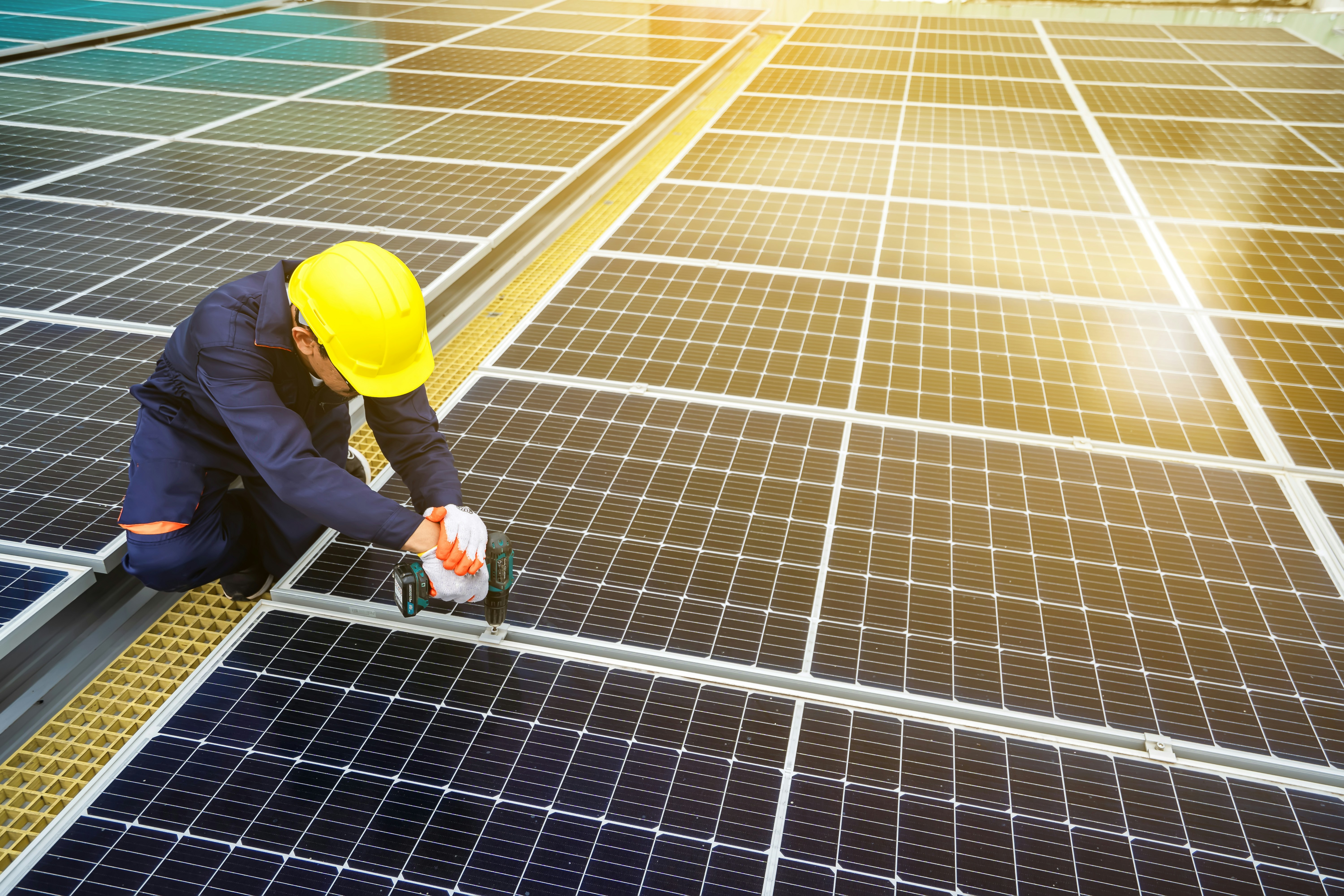
This includes land preparation, structure installation, panel mounting, cable laying, inverter installation, earthing, electrical connections, and safety systems.
A solar power plant requires coordination between civil, mechanical, and electrical teams.
The execution stage may include:
Site cleaning and leveling, if required
Marking and foundation work
Installation of mounting structures
Solar panel installation
DC and AC cable laying
Inverter setup
Transformer and electrical equipment installation
Earthing and lightning protection
Testing of electrical connections
Safety checks
Professional execution is very important because even a good design can fail if installation quality is poor.
At JNJ Energies, we focus on disciplined execution, correct installation practices, and long-term performance.
Step 9: Testing and Commissioning
Before the solar plant starts regular operation, it must go through testing and commissioning.
This stage ensures that the plant is installed correctly and ready to generate power safely and efficiently.
Testing may include:
Electrical safety checks
Inverter performance check
Cable and connection testing
Module string testing
Earthing verification
Protection system checks
Generation monitoring setup
Trial operation
Commissioning is the point where the plant becomes operational.
For the client, this is an important milestone because the land has now been converted into a working solar power plant.
Step 10: Power Generation Begins
Once the plant is commissioned, it starts generating electricity from sunlight.
Depending on the project model, this electricity may be used for the client’s own business operations, supplied under an approved agreement, or connected as per the applicable project structure.
This is where empty land starts becoming a revenue-generating or cost-saving asset.
For businesses, the benefit may come in the form of reduced electricity bills and better control over energy costs.
For developers or landowners, the benefit may come through a structured power sale model, subject to approvals and applicable regulations.
The key point is that solar gives land a productive purpose.
Step 11: Monitoring and Operations
A solar plant must be monitored regularly to ensure it is performing properly.
Even after installation, performance can be affected by dust, weather, cable issues, inverter problems, vegetation growth, or lack of cleaning.
That is why Operations and Maintenance is a critical part of the solar journey.
At JNJ Energies, we provide O&M services to help solar systems run at peak efficiency. Our team focuses on regular inspections, performance tracking, preventive maintenance, diagnostics, and quick issue resolution.
Good O&M helps improve:
Plant uptime
Power generation
Equipment life
Safety
Return on investment
Long-term reliability
A well-maintained solar plant can perform efficiently for many years.
Why Choosing the Right EPC Company Matters
Turning land into a solar power plant is not just about installing panels. It requires technical knowledge, financial understanding, design expertise, execution capability, and long-term responsibility.
The right EPC partner can help you avoid mistakes and build a plant that performs well over time.
At JNJ Energies, we are not just a solar EPC company. We also own and operate our own solar plants with long-term Power Purchase Agreements under various government schemes.
This gives us real, practical experience.
We understand what it means to invest in a plant, maintain it, monitor its performance, and depend on its generation. That is why we build client projects with the same care and quality that we use in our own plants.
Before giving us your purchase order, clients can also visit our own solar sites to see our quality and execution standards in real life.
Final Thoughts
Empty land has the potential to become much more than unused space.
With the right solar EPC company, it can be transformed into a clean energy asset that generates electricity, supports sustainability, and creates long-term financial value.
From site survey and feasibility analysis to design, BOQ, procurement, construction, commissioning, and maintenance, every step plays an important role in the success of the project.
At JNJ Energies, we help clients make this journey with confidence, transparency, and technical expertise.
Whether you are a landowner, business, industry, institution, or investor, we can help you understand how your land can be converted into a high-performing solar power plant.
JNJ Energies — transforming land into reliable solar energy assets built for long-term performance.