Rooftop vs Ground-Mounted Solar: Which System Is Right for Your Property?
5-6 min read
PROJECT.When planning a solar project, one of the first questions most property owners ask is, "Should I install solar panels on my rooftop or go for a ground-mounted solar power plant?"
Both options can help you reduce electricity costs, generate clean energy, and improve long-term savings. But the right choice depends on your property type, available space, energy requirement, budget, and future goals.
At JNJ Energies, we design both rooftop solar systems and ground-mounted solar power plants, helping clients choose the most practical and profitable option for their site.
What Is a Rooftop Solar System?
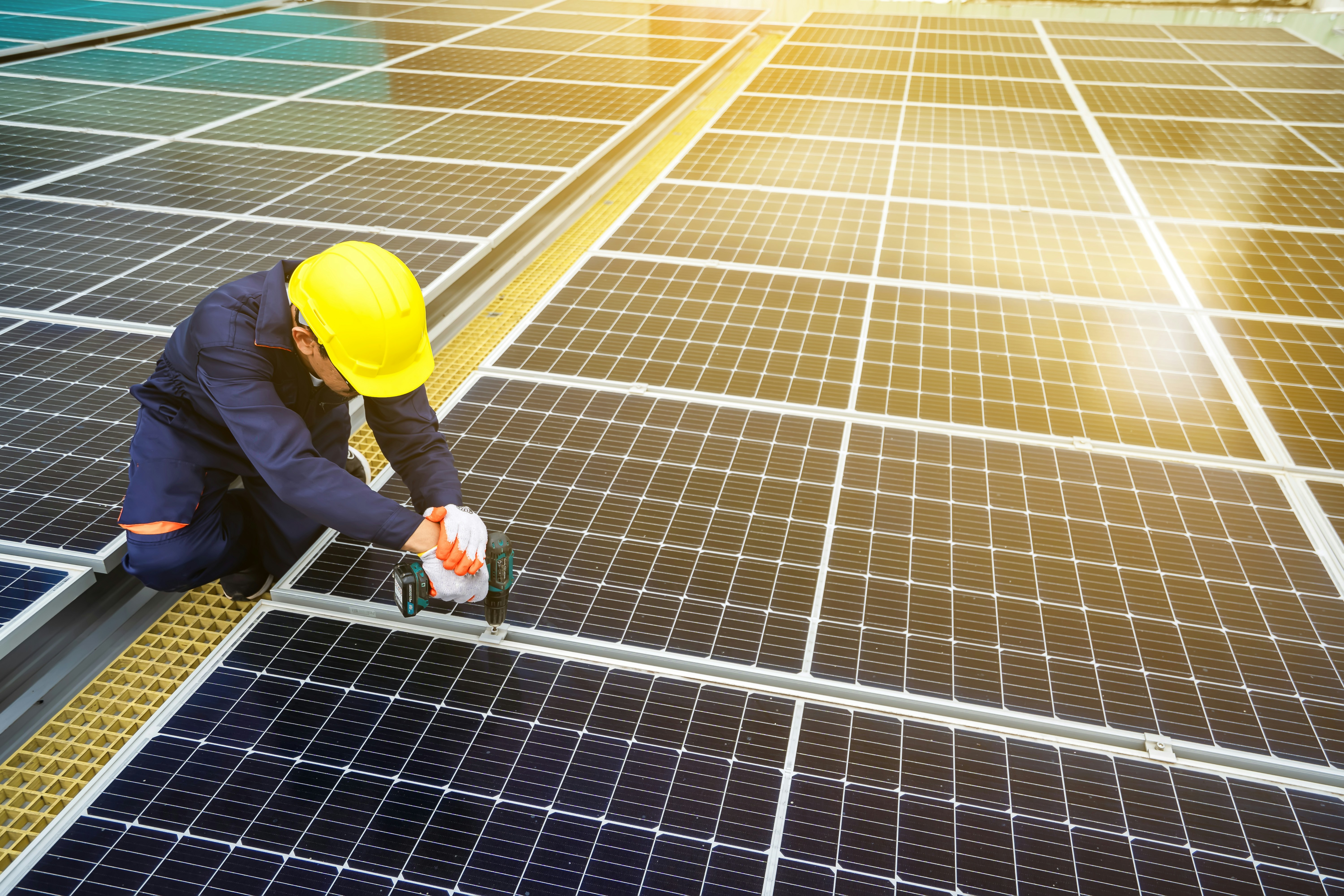
A rooftop solar system is installed on the roof of a building. It is ideal for homes, offices, schools, hospitals, factories, warehouses, hotels, and commercial buildings that have strong and usable roof space.
This system allows you to use your existing rooftop to generate electricity for your own consumption.
For businesses, rooftop solar is a smart way to reduce monthly electricity bills without needing extra land.
When Should You Choose Rooftop Solar?
Rooftop solar is a good choice if you have unused roof space and want to reduce your electricity bill without using land.
It is especially suitable for:
Homes
Offices
Factories
Warehouses
Schools and colleges
Hospitals
Hotels
Commercial buildings
The biggest advantage of rooftop solar is that it uses space you already have. You do not need to buy or dedicate land separately.
It is also a practical choice for businesses that consume power during the day, because the solar energy generated can directly support daily operations.
What Is Ground-Mounted Solar Power?
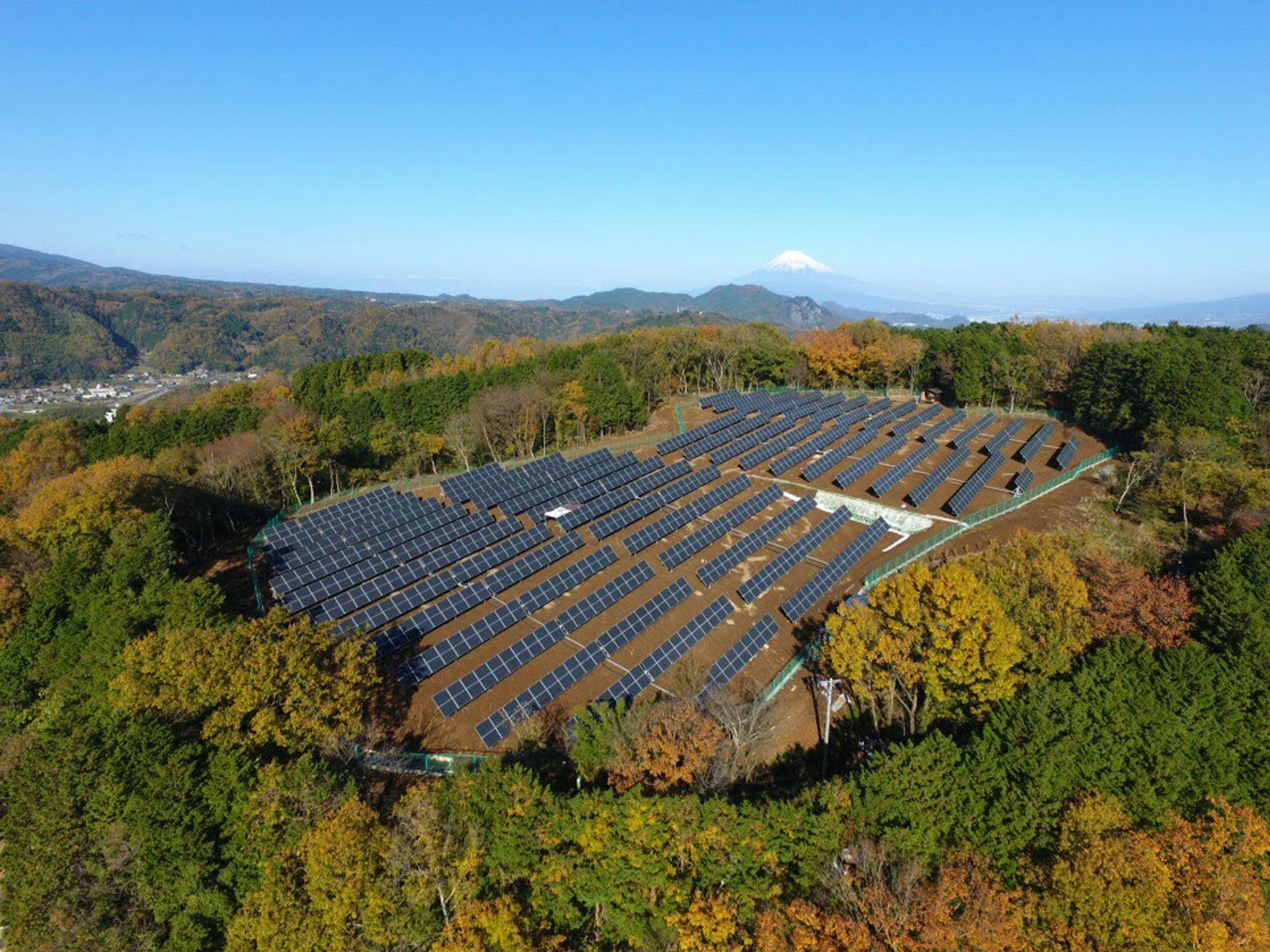
Ground-mounted solar power is installed directly on open land using strong mounting structures.
This option is best suited for larger solar projects, industrial use, utility-scale power generation, and properties with available land.
Ground-mounted systems are usually easier to expand and can be designed for higher power generation compared to limited rooftop spaces.
When Should You Choose Ground-Mounted Solar?
Ground-mounted solar is better when you have open land available and want to generate power at a larger scale.
It is suitable for:
Industrial units
Large businesses
Landowners
Utility-scale projects
Solar investors
Institutions with available land
High-consumption energy users
Ground-mounted plants offer more flexibility in design. The panels can be placed at the best angle and orientation to achieve strong generation.
This makes them ideal for clients who want larger capacity, better layout control, and long-term scalability.
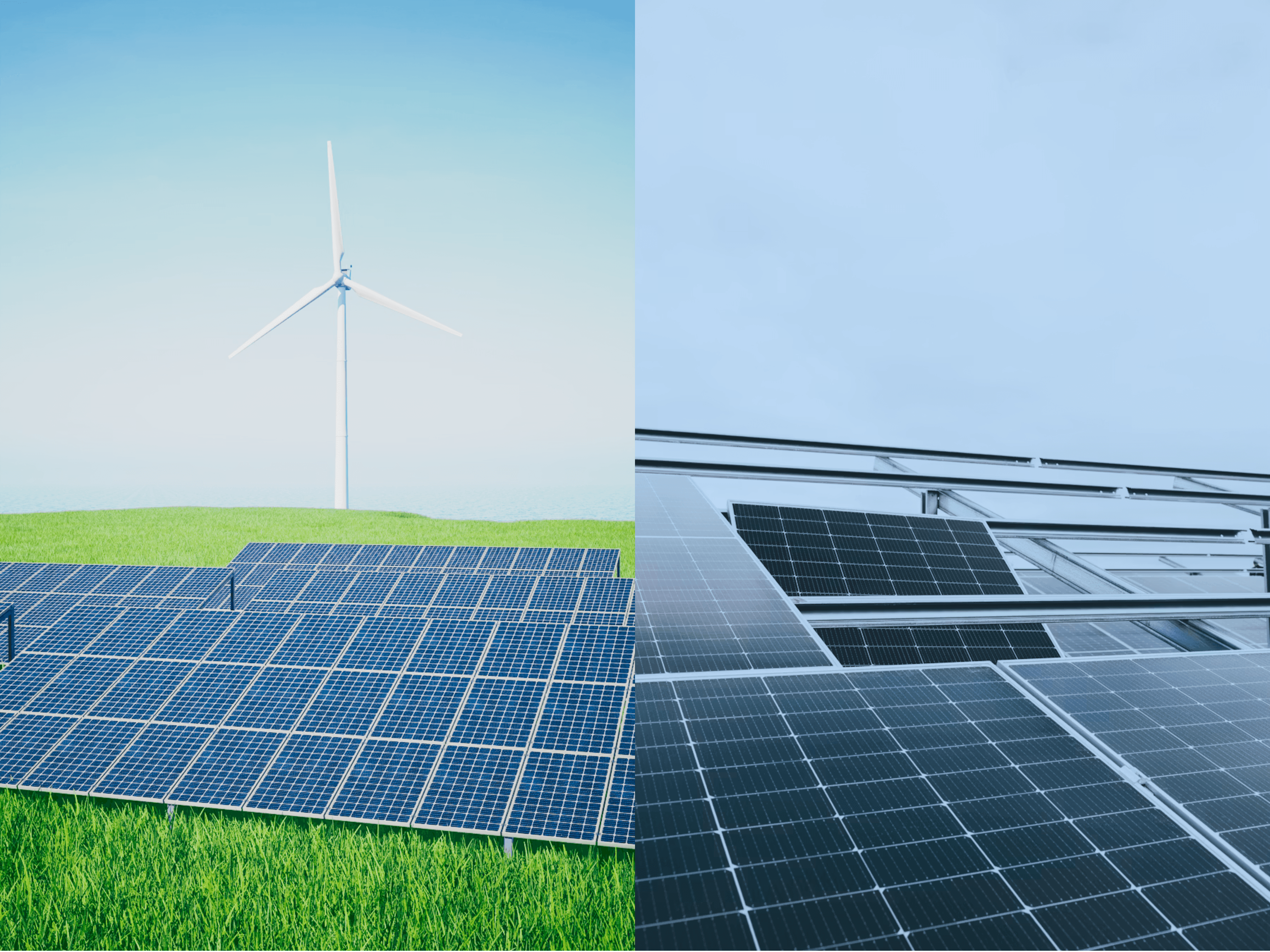
Difference Between Rooftop and Ground-Mounted Solar
The main difference is space.
A rooftop system depends on the size, strength, and direction of your roof. If the roof has shadows, weak structure, or limited area, the system size may be restricted.
A ground-mounted system depends on land availability. If you have suitable land, the plant can be designed more freely and expanded more easily in the future.
In simple terms:
CHOOSE ROOFTOP SOLAR IF YOU WANT TO USE YOUR BUILDING SPACE EFFICIENTLY.
CHOOSE GROUND-MOUNTED SOLAR IF YOU WANT A LARGER, MORE FLEXIBLE SOLAR PROJECT.
Which System Gives Better Performance?
Both systems can perform very well when designed correctly.
However, ground-mounted systems usually allow better control over panel direction, spacing, tilt angle, and maintenance access. This can help improve generation in larger projects.
Rooftop systems are also highly effective, especially when the roof has good sunlight exposure and enough usable space.
The real performance depends on proper site study, system design, component quality, installation, and regular maintenance.
That is why professional survey and design are extremely important before making a decision.
Maintenance Comparison
Rooftop solar systems generally require regular cleaning and basic inspection. Access can sometimes be slightly difficult depending on the building height and roof structure.
Ground-mounted solar plants are usually easier to access for cleaning, inspection, and repairs. Since the panels are installed at ground level, maintenance work is often more convenient.
At JNJ Energies, we also provide Operations and Maintenance services to ensure your system continues performing efficiently year after year.
Cost Consideration
The cost depends on project size, structure, design, material quality, site condition, and installation requirements.
Rooftop systems may require roof inspection and additional structural checks. Ground-mounted systems may require land preparation, mounting structures, and civil work.
Instead of choosing only based on initial cost, it is better to look at long-term value, generation capacity, savings, and return on investment.
A properly designed system can deliver better performance and stronger savings over time.
How JNJ Energies Helps You Choose the Right Option
At JNJ Energies, we do not suggest a standard solution without understanding your site.
Our process begins with your project details. We discuss your energy requirement, property type, available space, and budget. Then we arrange a site visit where our surveyor studies the rooftop or land and prepares a suitable layout.
After the technical study, our team discusses the project capacity, pricing, design, and execution plan. Once everything is mutually agreed, we move forward with contract signing and installation.
We focus on building every solar project with the same quality and care that we use in our own solar plants.
Final Thoughts
Both rooftop and ground-mounted solar systems are excellent options, but the right choice depends on your property and power requirement.
If you have a strong, unused roof and want to reduce your electricity bill, rooftop solar may be the right solution.
If you have open land and want a larger, scalable power project, a ground-mounted solar plant may be better.
At JNJ Energies, we help you make the right decision with proper site assessment, expert design, quality execution, and long-term support.
JNJ Energies — building solar solutions designed for performance, savings, and reliability.